
Category: AI Works
-
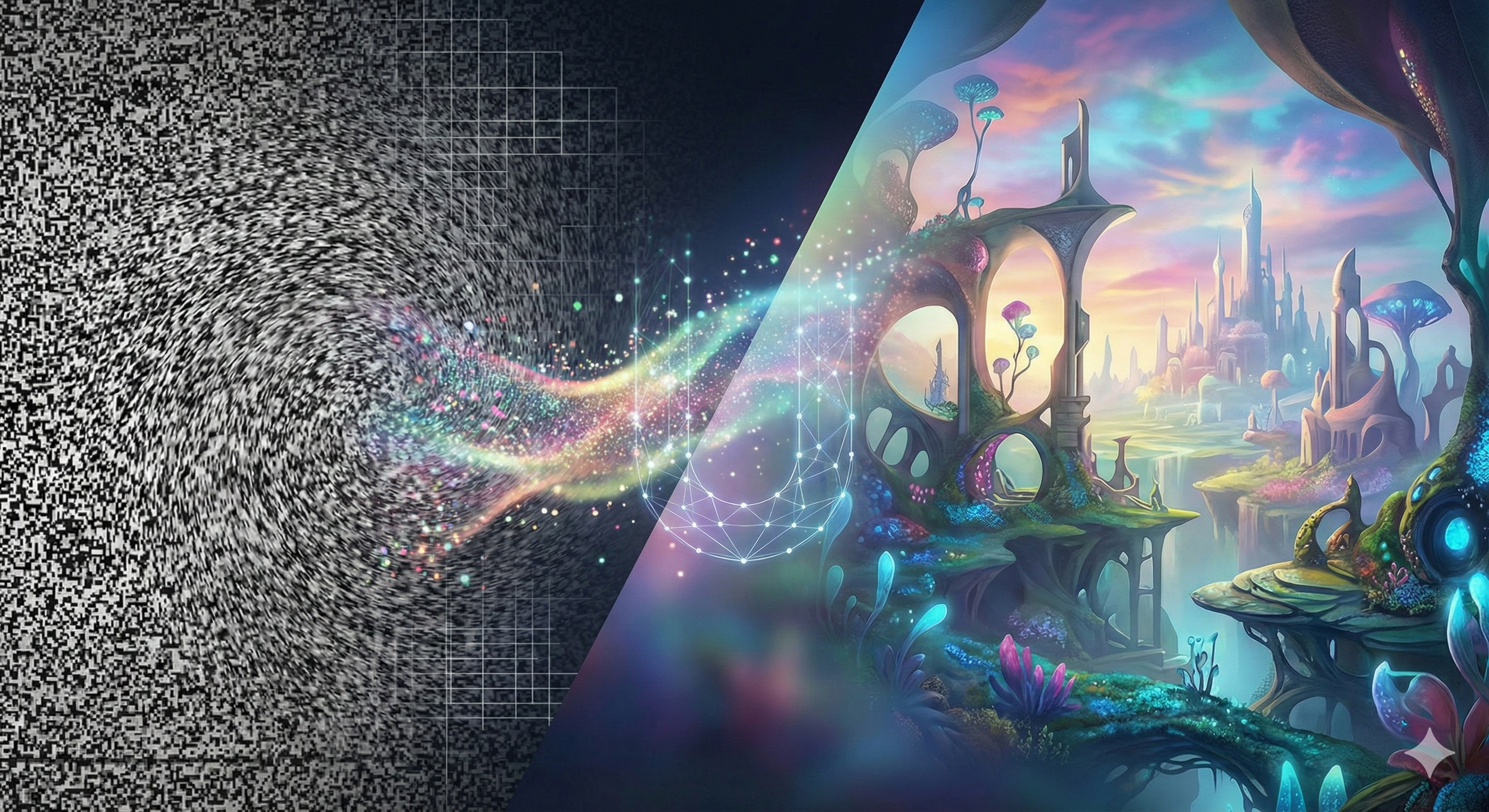
Diffusion: Images Born from Noise
This is the result: from pure noise—random pixels like TV static—a high-resolution photograph emerges. Midjourney, DALL-E, Stable Diffusion, Sora. All the same principle. Destruction played in reverse. A model learns to predict noise, subtracts it step by step, and creation emerges from chaos. That’s Diffusion.
-

Transformer: A Sentence Is Not a Chain
A sentence is not a chain. It’s a web. “The animal didn’t cross the street because it was too tired”—what does “it” refer to? Before 2017, AI had to read word by word to find out. Transformer broke the chain and wove a web: every word sees every other word at once. That’s why we…
-
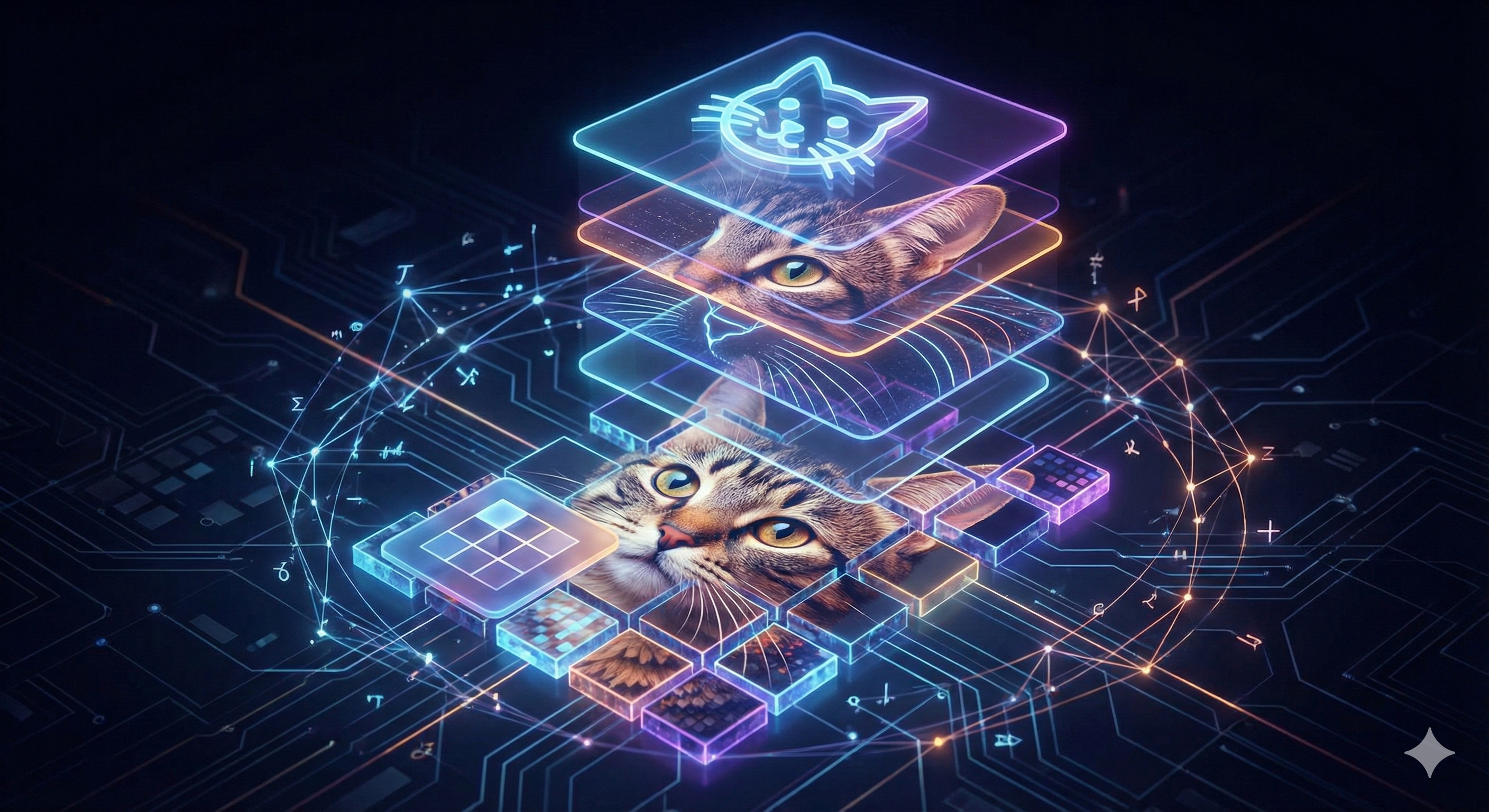
CNN: Computers Don’t See Images
CNNs don’t “see” images—they destroy them. Tear them into pieces, extract numbers, recombine. Yet this destruction becomes understanding. Why? Because 150,528 pixels are mostly noise. What matters are edges, patterns, and the patterns of patterns. Here’s how computers learn to see by learning to compress.
-

How Neural Networks Learn
Paul Werbos invented backpropagation in 1974. No one noticed. Twelve years later, the same algorithm was “rediscovered” and changed everything. The math didn’t change—the world did. Here’s how neural networks actually learn: by propagating errors backward and following gradients downhill.
-
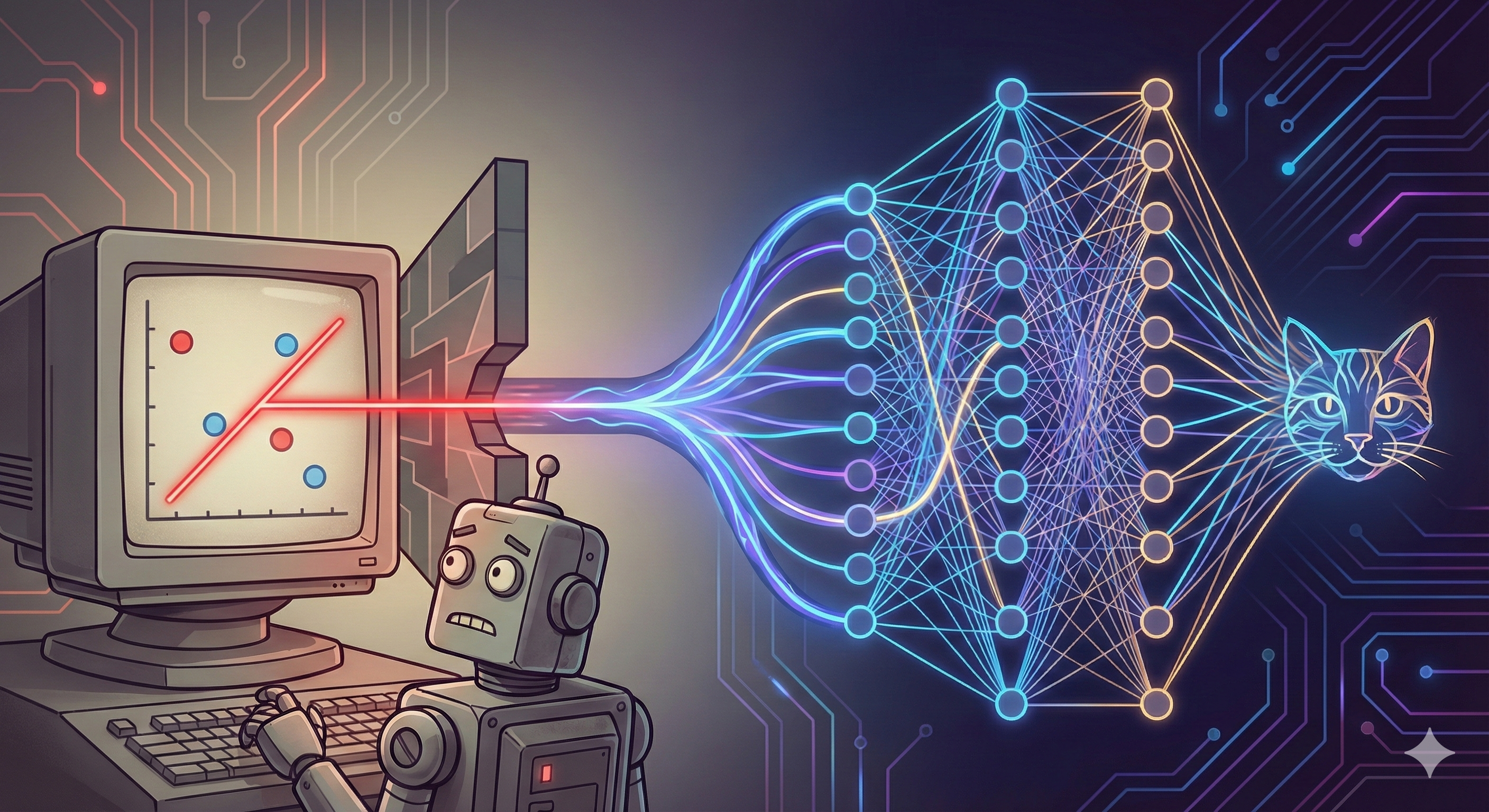
Why Linear Regression Can’t Recognize a Cat
In 1969, two MIT researchers proved that neural networks couldn’t solve XOR—a logic problem any child can understand. Funding collapsed. The first AI winter began. But they missed one thing: stack the layers, and the world changes. The real difference between machine learning and deep learning isn’t about neural networks. It’s about who designs the…
-
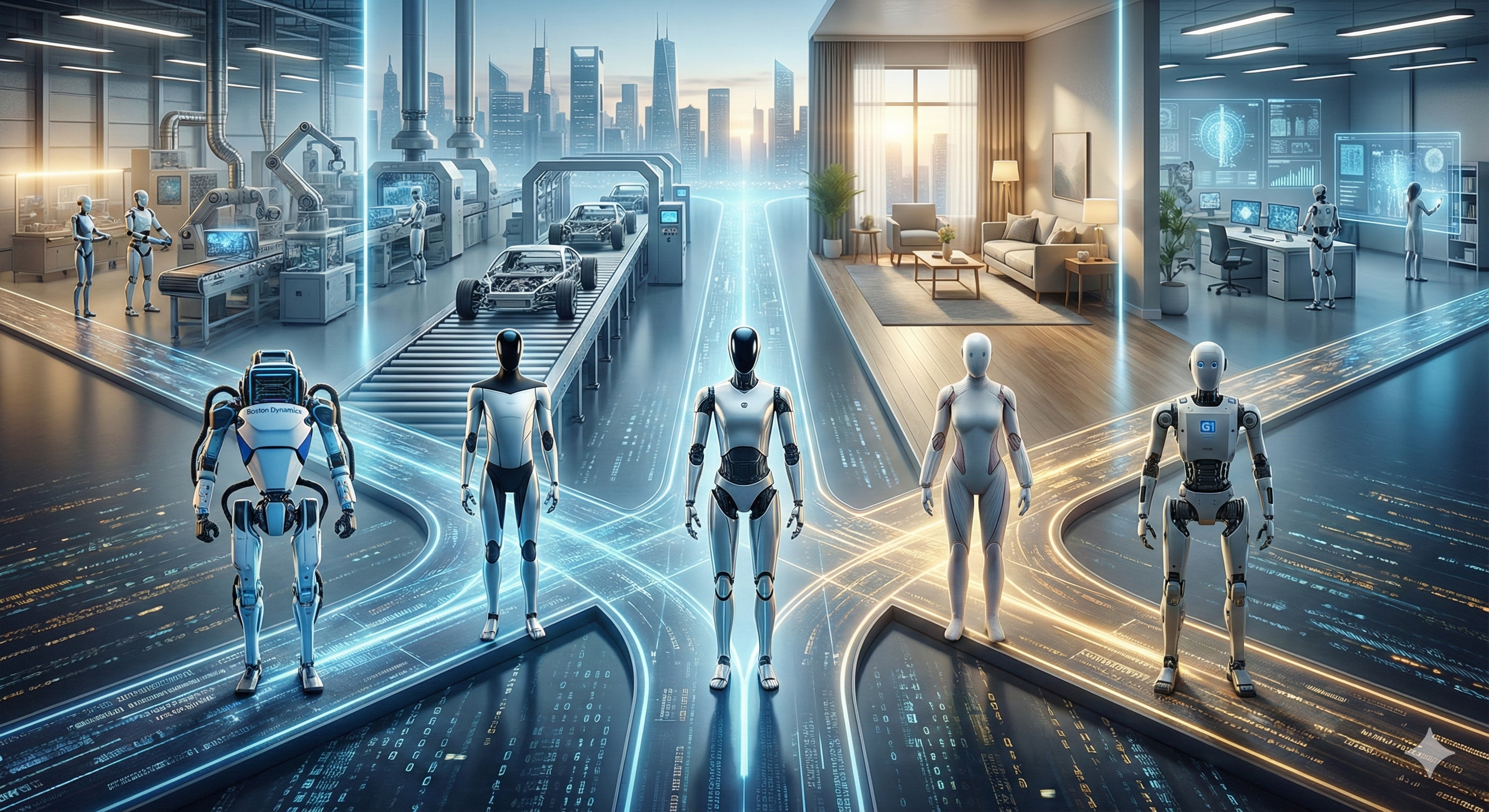
Humanoid Robots Compared: Who Will Dominate 2026?
Boston Dynamics, Tesla, Figure AI, 1X, Unitree—five visions for the humanoid future. Each chose a different battlefield: industrial precision, mass production, data flywheels, home entry, or platform accessibility. Who will spin the cycle fastest?
-

Domain Randomization: Building Robustness Through Randomness
A robot trained only in simulation solves a Rubik’s Cube in the real world—even when poked with a stuffed giraffe. The secret? Domain Randomization, where chaos becomes the teacher and uncertainty becomes strength.
-

NVIDIA Cosmos: The Structure of World Foundation Models
How do you teach physics to a robot? Show it 20 million hours of video. NVIDIA Cosmos is the platform that turns this massive dataset into World Foundation Models—the physical equivalent of LLMs that may define the next era of robotics.
-
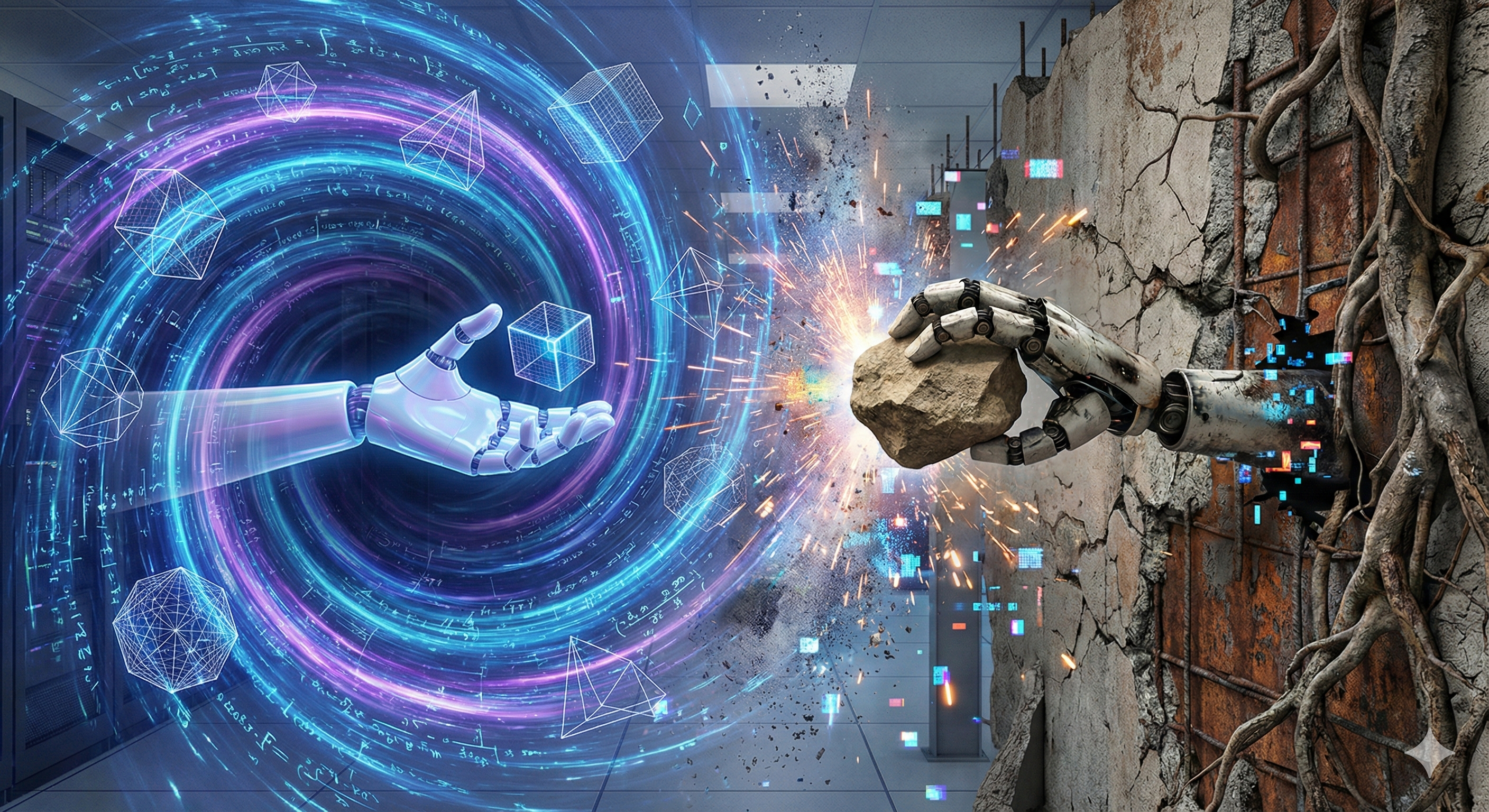
Sim-to-Real Gap: The Chasm Between Simulation and Reality
A robot that succeeded 100 times in simulation fails every time in reality. This isn’t a bug—it’s the Sim-to-Real Gap. Here’s how Domain Randomization turns that uncertainty into strength.
-
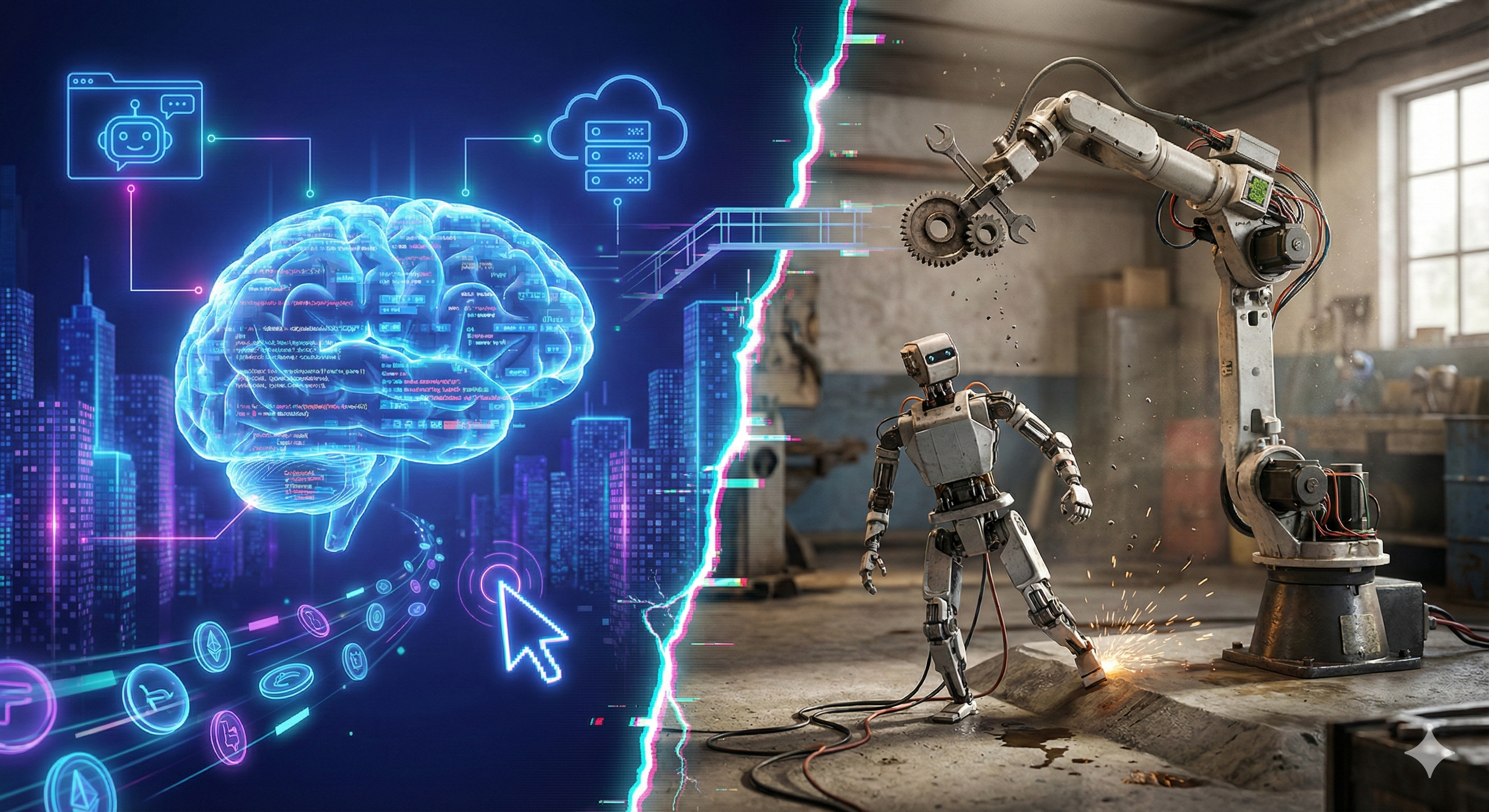
What is Physical AI: The Structural Difference from Software AI
A robot that walked perfectly in simulation falls on a real floor. This isn’t a bug—it’s the structural gap between Software AI and Physical AI. Why NVIDIA calls this shift “the ChatGPT moment for robotics.”