
Tag: Physical AI
-

Domain Randomization: Building Robustness Through Randomness
A robot trained only in simulation solves a Rubik’s Cube in the real world—even when poked with a stuffed giraffe. The secret? Domain Randomization, where chaos becomes the teacher and uncertainty becomes strength.
-

NVIDIA Cosmos: The Structure of World Foundation Models
How do you teach physics to a robot? Show it 20 million hours of video. NVIDIA Cosmos is the platform that turns this massive dataset into World Foundation Models—the physical equivalent of LLMs that may define the next era of robotics.
-
Sim-to-Real Gap: The Chasm Between Simulation and Reality
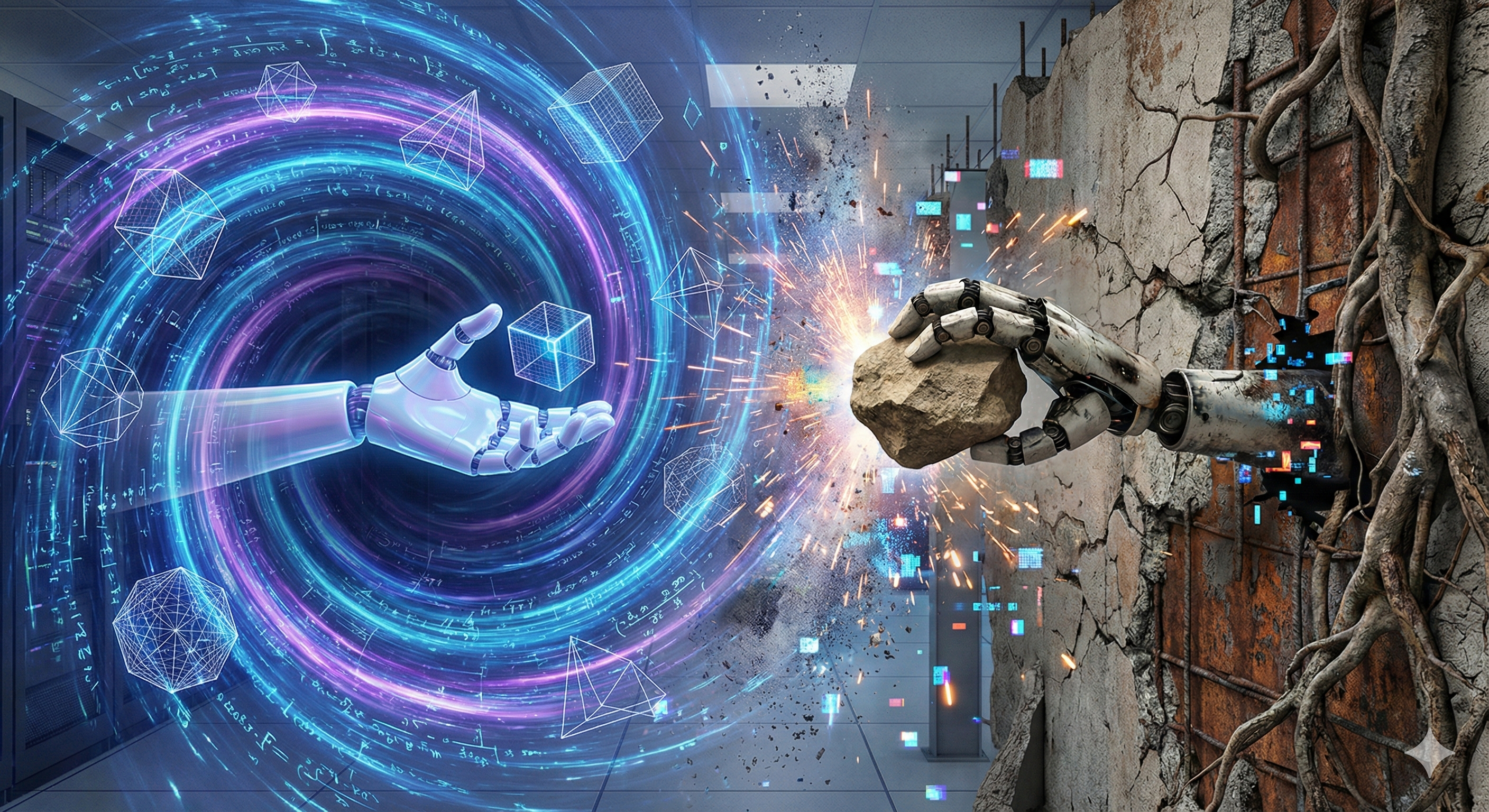
A robot that succeeded 100 times in simulation fails every time in reality. This isn’t a bug—it’s the Sim-to-Real Gap. Here’s how Domain Randomization turns that uncertainty into strength.
-
What is Physical AI: The Structural Difference from Software AI
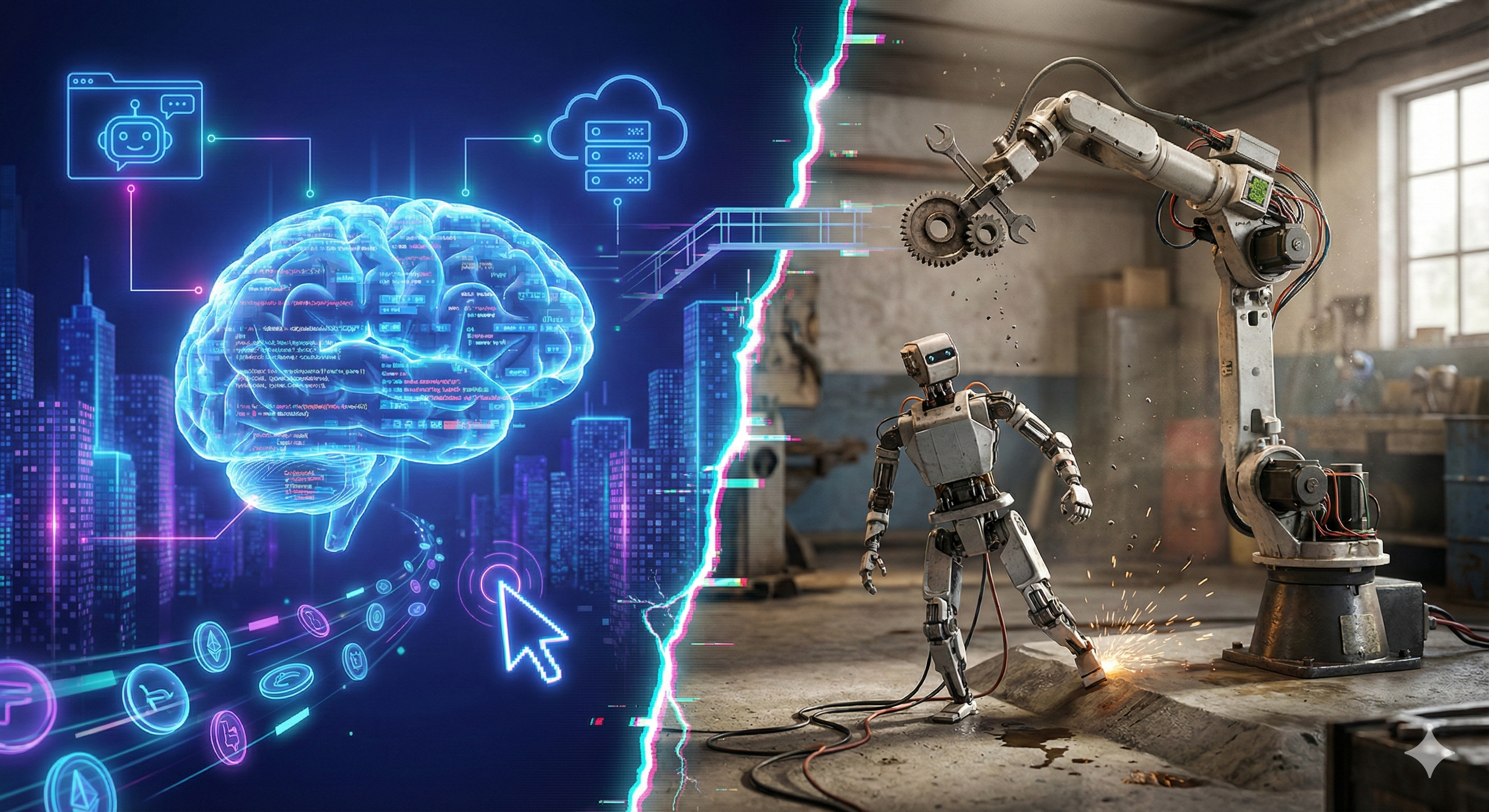
A robot that walked perfectly in simulation falls on a real floor. This isn’t a bug—it’s the structural gap between Software AI and Physical AI. Why NVIDIA calls this shift “the ChatGPT moment for robotics.”